Current diet review
Evaluation of your dog's current food, ingredients, feeding amounts, meal structure, and overall nutritional suitability.
For dog owners
Practical, science-based guidance tailored to your dog's current diet, lifestyle, preferences, and individual nutritional needs.
Individual guidance
Individual nutrition guidance is suitable for dog owners who want professional help understanding, evaluating, or changing their dog's diet.
It may be helpful when you are starting raw or home-cooked feeding, reviewing an existing diet, switching to a different type of food, or trying to better meet your dog's individual nutritional needs.
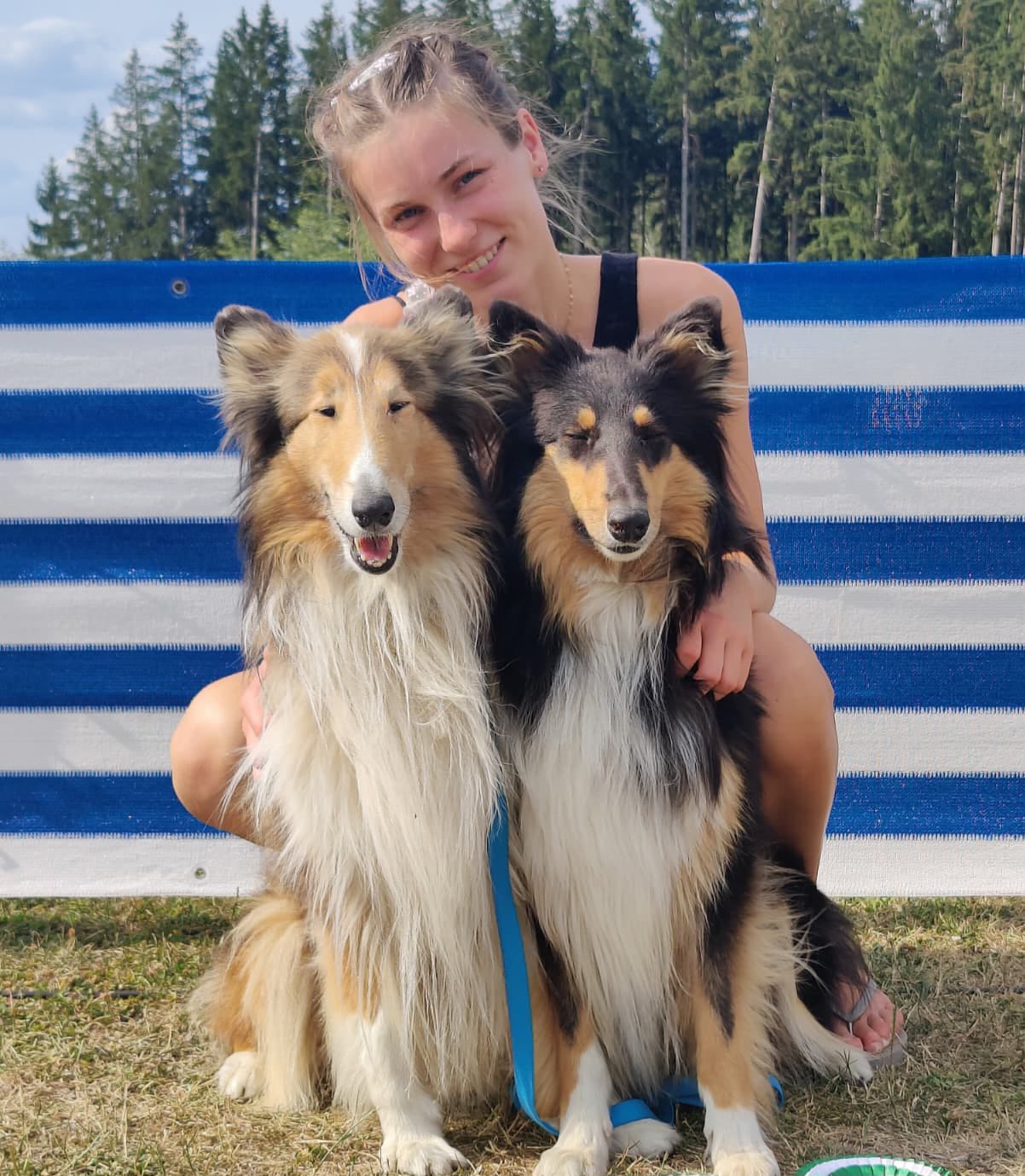
Nutrition guidance
Evaluation of your dog's current food, ingredients, feeding amounts, meal structure, and overall nutritional suitability.
Guidance on raw and home-cooked diets, including ingredient selection, meal composition, and nutritional balance.
Help comparing air-dried, freeze-dried, fresh, and other foods, understanding labels, and selecting suitable products for your dog.
Practical feeding recommendations based on your dog's age, size, body condition, activity level, current diet, and individual needs.
Guidance on introducing a new food or feeding method gradually and monitoring your dog's response.
Nutrition support for dogs with individual dietary needs, provided alongside veterinary care when appropriate.
You do not need to choose a consultation length in advance. Send me a short description of your dog, their current diet, and your questions. I will review the information and recommend the most suitable consultation option.
Focused consultation
Best suited to one specific question or a focused review of your dog's current feeding.
Full consultation
Recommended for a broader review of your dog's diet, feeding routine, and individual nutritional needs.
Specialist focus
Recommendations consider nutritional balance, ingredient selection, feeding amounts, practicality, your dog's preferences, and their individual nutritional needs.
Dog nutrition questions
Answers to common questions about feeding amounts, balanced diets, raw and home-cooked food, commercial dog food, food labels, and changing your dog's diet.
The right amount of food depends on your dog's weight, age, life stage, activity level, body condition, and the energy density of the food. Feeding guides are useful starting points, but the final amount should be adjusted according to your dog's individual response over time.
A balanced dog diet should provide appropriate amounts of protein, fat, essential fatty acids, vitamins, and minerals in relation to the dog's energy needs. Even a diet made from high-quality ingredients can have nutritional gaps, so home-prepared diets are best evaluated using nutritional calculations.
Yes, a nutritionally complete home-cooked diet can be prepared for a dog, but the ingredients and their proportions need to be chosen carefully. A well-formulated recipe should take into account your dog's energy needs, preferred ingredients, feeding style, and individual nutritional requirements.
A raw diet does not need to provide every nutrient in exactly the same amount in every single meal, but the overall diet should be nutritionally balanced over time. Using a variety of suitable protein sources and ingredients can help provide dietary variety, although the amount of rotation depends on what your dog tolerates and any individual dietary restrictions.
The best dog food is not necessarily the one with the longest ingredient list or the highest meat percentage. Look for a nutritionally appropriate food that your dog digests well, enjoys eating, maintains a healthy body condition on, and that fits both your dog's individual needs and your everyday feeding routine.
Look for a clear ingredient list that tells you what the food actually contains, ideally with percentages for important ingredients. When comparing dog foods, also consider moisture content, because protein, fat, and other analytical values can look very different in dry and wet foods simply because of differences in water content.
A gradual food transition is usually best, but the right transition period varies between dogs and can range from several days to several weeks or longer. The previous diet, the type of new food, digestive tolerance, and the dog's health should all be considered, while appetite, stool quality, digestion, and overall well-being are monitored during the change.
Professional canine nutrition guidance can be useful when you want to evaluate your dog's current diet, start raw or home-cooked feeding, compare commercial foods, calculate feeding amounts, or create an individual feeding plan. For dogs with diagnosed or suspected health conditions, nutrition can be an important part of supporting overall health and treatment.
Consultation request
For the initial request, a short overview is enough. Please include:
If I need more detailed information about feeding amounts, supplements, veterinary results, or your dog's feeding routine, I will ask for it before the consultation.
How it works
Send me a short description of your dog, their current diet, and the main questions you would like help with.
I review the information you provide and let you know whether a 30-minute or 60-minute consultation is most suitable. If your case requires more detailed nutritional calculations or an individual feeding plan, I will explain the additional scope and price before any work begins.
During the consultation, we discuss your dog's diet, your questions, practical recommendations, suitable feeding options, and the next steps.
More detailed nutrition planning
Some cases require additional work outside the consultation, such as detailed nutritional calculations or the development of a complete individually formulated raw or home-cooked feeding plan. Because every dog and feeding situation is different, this work is priced individually.
If additional formulation or calculation work is needed, the scope and price will always be agreed with you in advance.
Health conditions
Nutrition can be an important part of supporting dogs with diagnosed health conditions. However, nutrition consultations do not replace veterinary examination, diagnosis, monitoring, or medical treatment.
When a dog has a diagnosed or suspected health condition, relevant veterinary information may be needed before dietary recommendations can be prepared. Collaboration with the dog's veterinarian may also be appropriate.
Ready to begin?
Include your dog's age, breed, weight, current diet, and the main reason you are seeking nutrition guidance.
Send a consultation requestInformation and consultations provided through this website do not replace veterinary examination, diagnosis, or medical treatment. Dogs with diagnosed or suspected health conditions should remain under the care of a veterinarian.